The charm of pixel art and chiptune sound
Chunky pixels and bleepy melodies give retro games their personality. This explainer looks at what they are, why they work and how they shine on modern phone screens.
What pixel art really is
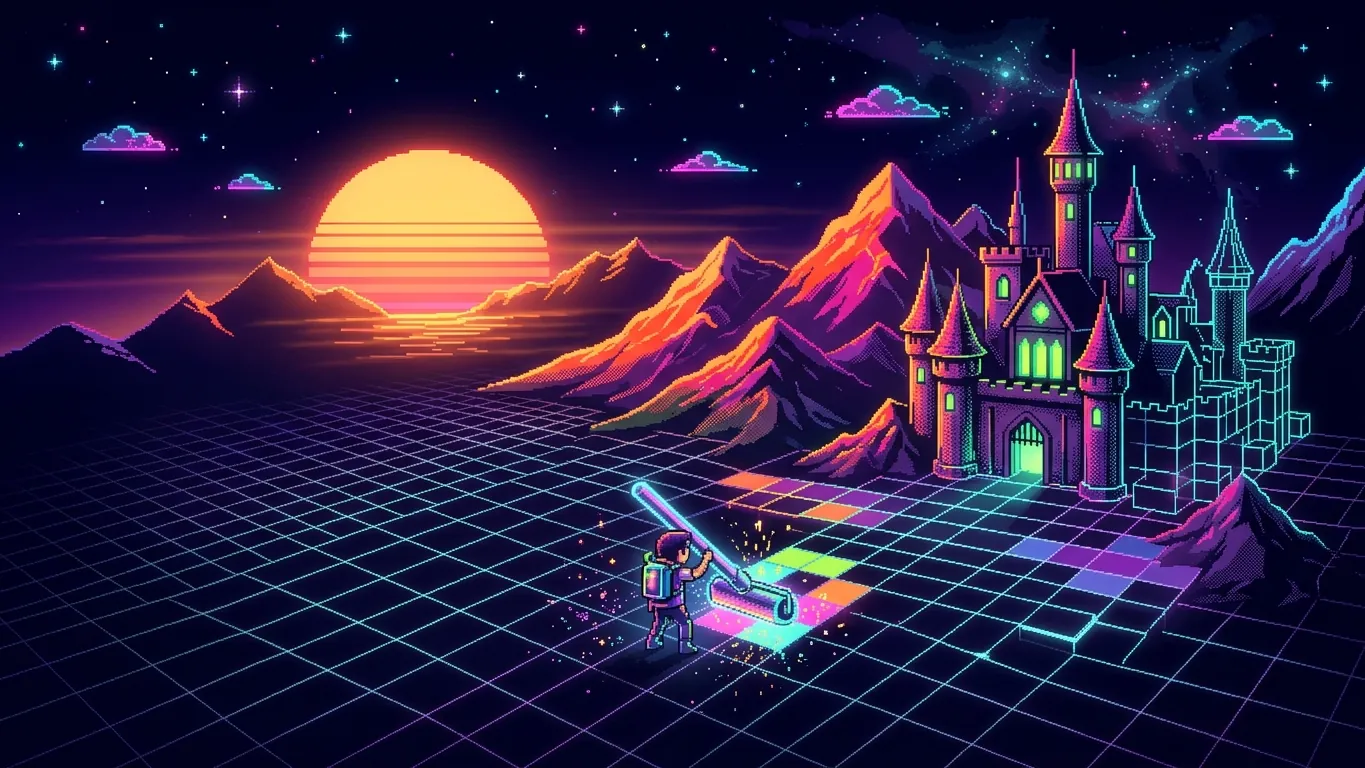
Pixel art is a style where images are built from individual, visible squares of color. In early games, this was a technical necessity. Screens had low resolutions, and memory was limited, so artists drew characters and worlds one pixel at a time using only a handful of colors.
Today, artists choose pixel art on purpose. Working within tight limits encourages careful decisions about every shape and shade. A character might be only a small grid of pixels tall, yet still show personality through its posture, a bright accent color or a simple animation. That economy of detail is a big part of the style's appeal.
Why pixels read well on small screens
Pixel art tends to be bold and high in contrast. Characters have strong outlines, colors are distinct and backgrounds are usually simpler than the action in front of them. These qualities make retro-style games easy to follow on a phone, where you may be glancing at the screen in bright daylight or on a moving train.
Good pixel artists also think carefully about readability. Enemies are colored differently from collectibles, hazards stand out against the floor and important items often flash or sparkle. Even when the screen is busy, your eye knows where to look. That thoughtful design is one reason retro games can feel calmer to play than some visually crowded modern titles.
Chiptune music explained
Chiptune is music made with, or inspired by, the sound chips found in early computers and game systems. These chips could produce only a few simple tones at once, such as square waves, triangle waves and bursts of noise. Composers used clever tricks, like rapid note changes, to suggest chords and richer textures.
The result is a bright, energetic sound that many players find instantly nostalgic. Modern retro-style games often use chiptune or chiptune-inspired soundtracks to complete the classic feel. Some blend those old tones with modern instruments, creating a mix of familiar and fresh.
Sound effects follow the same idea. A short rising tone for a power-up or a crunchy burst for an explosion can communicate a lot with very little.
Pixel art on modern phone screens
Modern phones have very high resolution screens, so retro-style games need to scale their small images up to fill the display. When this is done carefully, each original pixel becomes a neat block of identical screen pixels, keeping edges crisp.
Some games offer display options, such as sharp scaling, smoothing filters or effects that imitate the scan lines of old monitors. There is no right choice here. Sharp scaling keeps the art clean, while filters can add a cozy, vintage glow. Trying each option is a fun way to discover which look you enjoy most.
Appreciating the craft
Next time you play a retro-style game, take a moment to notice the details. Watch how a character's walk is suggested in just a few frames, or how a background uses a small set of colors to create depth. Listen to how the music builds tension with only a few simple voices.
Pixel art and chiptune are more than nostalgic decoration. They are crafts with their own techniques and creativity, and they help explain why classic arcade games still feel so lively on today's phones. Enjoy the view, enjoy the sound and let the charm carry you into one more run.
Related articles
 What makes a mobile game feel retro?
A beginner-friendly look at the rules, visuals, sounds and difficulty curves that give a mobile game that classic retro arcade feeling.
Read more
 Getting comfortable with touch controls
Learn how virtual joysticks, on-screen buttons and swipe controls work in retro arcade games on phones, and how to set them up to suit your hands.
Read more
 Building better high-score habits
Practical, friendly habits for improving your personal best in retro arcade games on your phone, from learning patterns to reviewing your runs.
Read more